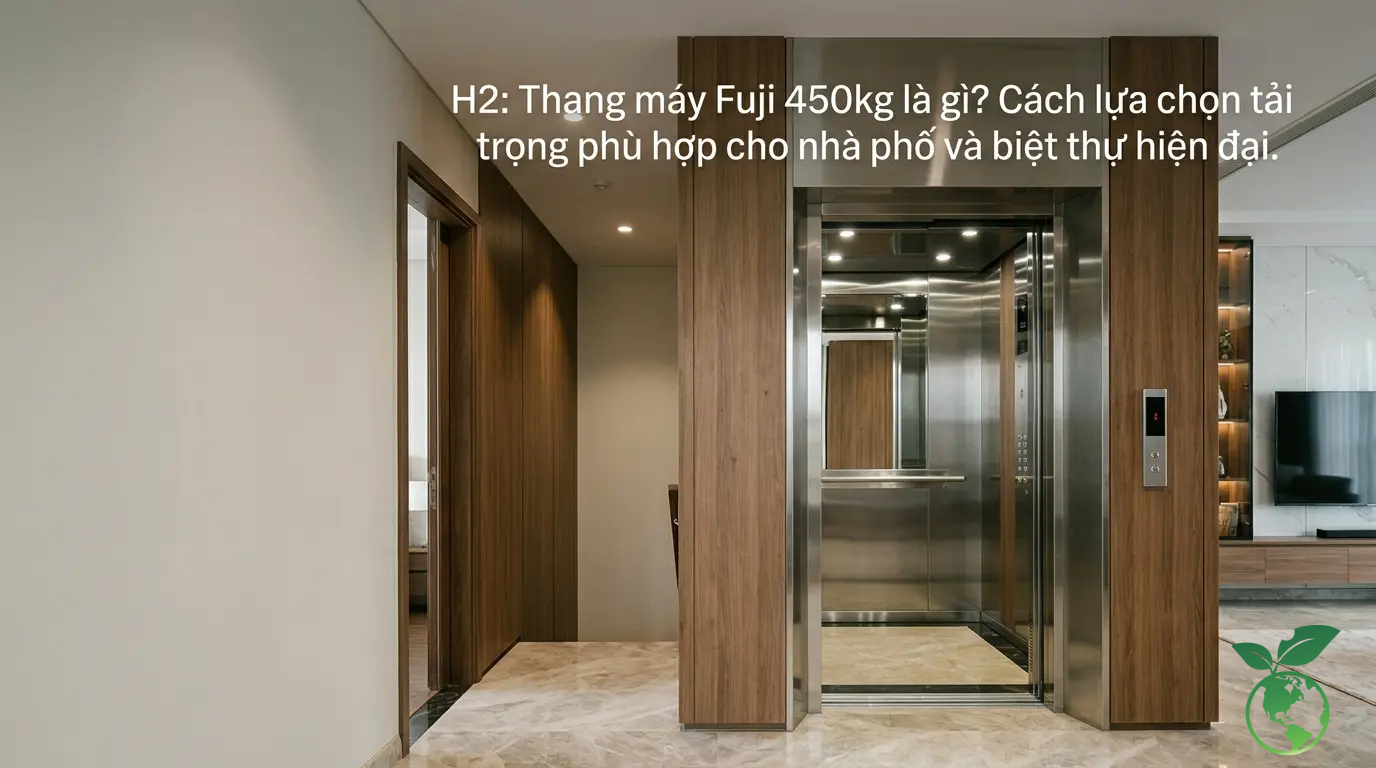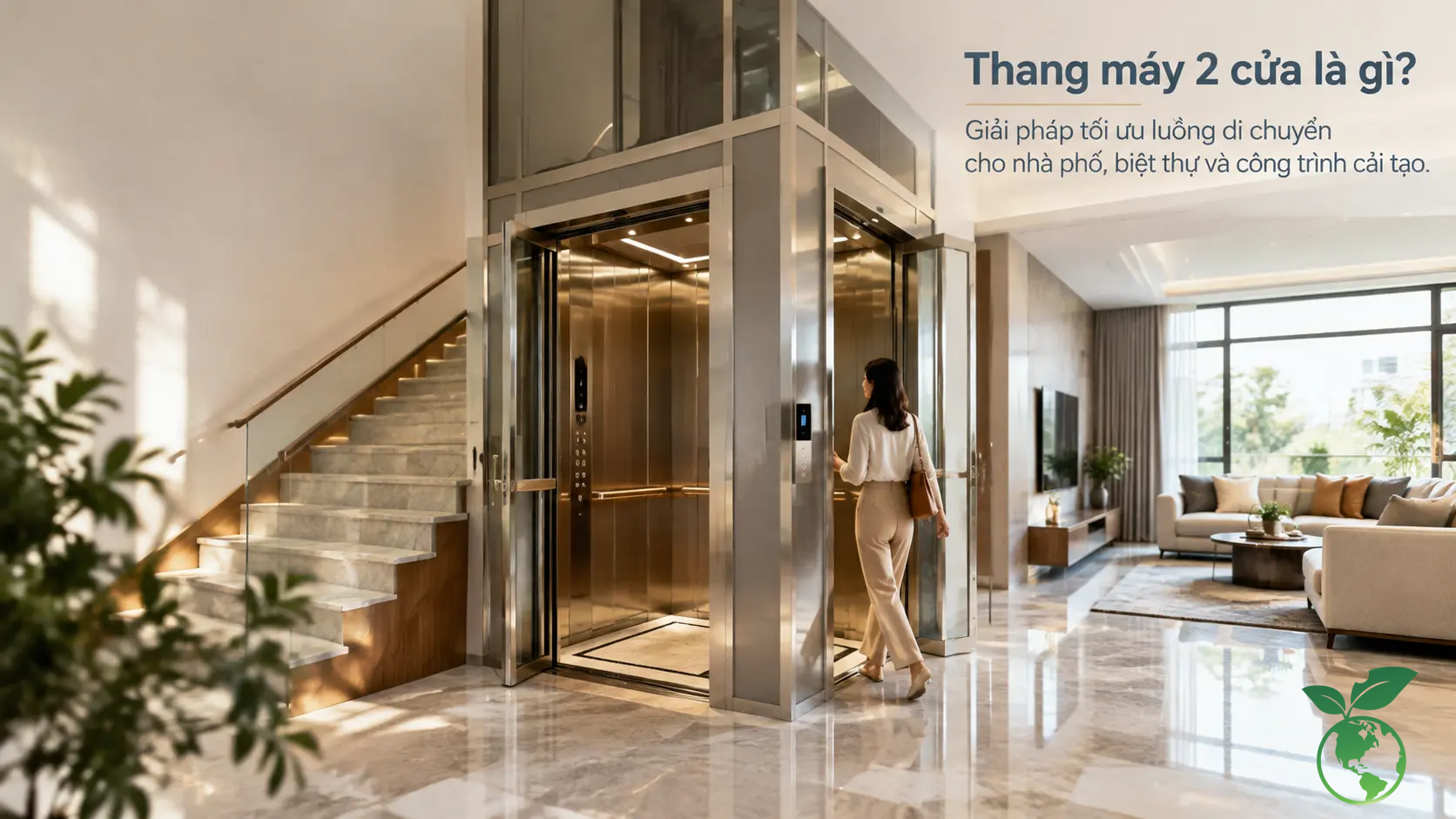
I often receive a question from homeowners: “My house is already built, the foundation is solid concrete, is there any way to install an elevator without breaking the floor?” This is the “touch point” that makes the line of pitless elevators become extremely hot. However, from the perspective of a technician with over 15 years of experience, I will dissect the truth: where this type of elevator is superior, what the technical limits are, and the things that Catalogues often “forget” to mention
What Is A PIT Hole And Why Is It A Problem For Renovated Houses?
In traditional elevator design, the PIT hole is the part excavated deep below the ground floor — usually from 500mm to 1,200mm — to place the buffer, cable tensioner, and safety mechanisms at the bottom of the hoistway. This is a mandatory requirement in the EN 81-20 standard for conventional traction elevators.
The problem arises when the house is finished: breaking the ground floor concrete foundation to dig a PIT hole is not simple, is expensive, and is sometimes unfeasible if the underlying foundation system does not allow it. That is why pitless elevators were born as a real technical solution, not just a marketing gimmick.
Operating Principle: What Compensates For The Absence Of A PIT Hole?
Pitless elevators — also known as Pit-less Elevators / Zero Pit Elevators — use one of two main technologies:
1. Hydraulic Drive System
This is the most popular choice for the pitless line. The cabin is raised and lowered by a hydraulic cylinder placed below or next to the cabin, instead of cables pulled from above. The advantage is that no deep PIT hole is needed because the buffer is integrated right into the cylinder.
However, I need to be blunt about the disadvantages: hydraulic systems generate heat during operation, and if hydraulic oil leaks — something I have encountered many times at maintenance projects — it will cause odors and a risk of fire and explosion if not handled promptly. The ideal operating oil temperature must stay below 60°C; in Vietnam, the hot and humid climate makes the maintenance requirements for the cooling system higher.
2. Screw Drive System (Screw Drive / Spindle Drive)
This technology uses a rotating stainless steel screw shaft to push the cabin up and down — no oil, no cables, no machine room-less (MRL) needed. The travel speed is usually at 0.15 m/s to 0.25 m/s, suitable for low-rise residential buildings from 3 to 6 floors.
Outstanding advantages: compact structure, high safety, not dependent on oil. Disadvantages: higher initial investment cost, and screw noise in some cheap models can be annoying when the cabin is moving — especially in quiet houses at night.
Technical Specifications To Master When Choosing A Pitless Elevator
This is the part most sales consultants will skim through quickly, but for a technician, this is the deciding point:
Capacity: The popular pitless line for residential use usually has a capacity from 250kg to 400kg (equivalent to 3–5 people). If the family has elderly people in wheelchairs, it is necessary to carefully check the cabin dimensions and actual capacity — not the nominal capacity stated in the catalogue.
Overhead Clearance (OH): Even without a deep PIT hole, you still need an overhead height from 2,400mm to 2,600mm measured from the highest floor level. I once surveyed many houses in Ho Chi Minh City with low ceilings of 2.2m at the top floor — in this case, it is necessary to recalculate the ceiling structure or choose an elevator line with especially low OH.
Shaft Dimensions: For townhouses with limited area, the minimum hoistway for a pitless elevator is usually from 1,000mm x 1,100mm — significantly smaller than conventional traction elevators.
Minimum PIT: Although called “pitless”, in reality many lines still need a shallow pit from 0mm to 50mm at the ground floor level. This is a point that needs to be clarified with the construction unit before signing the contract.
Comparing Pitless Elevators vs. Traditional Elevators: From A Technical Perspective
| Criteria | Pitless Elevator | Traditional Traction Elevator |
| PIT hole depth | 0 – 50mm | 500 – 1,200mm |
| Maximum speed | 0.15 – 0.25 m/s | 0.4 – 1.0 m/s |
| Common capacity | 250 – 400kg | 320 – 1,000kg |
| Installation cost | 15–25% higher | Lower |
| Suitable for renovation | ✓ Very suitable | ✗ Difficult or impossible |
| Periodic maintenance | Every 3 months | Every 3 months |
| Equipment lifespan | 15 – 20 years | 20 – 25 years |
Safety Systems: Are Pitless Elevators Truly Safe?
I hear this question a lot, and the answer is yes — if installed correctly to standards and using genuine components. Quality pitless elevators must still be equipped with all mandatory safety systems:
- Safety Gear: Immediately clamps the cabin to the guide rails if the cabin falls freely or overspeeds.
- Infrared curtain door sensors: Detect obstacles within the elevator door range, preventing the door from closing when there are people or objects in the middle — especially important when there are small children.
- Automatic Rescue Device (ARD): In the event of a power outage, the ARD automatically brings the cabin to the nearest floor and opens the door for passengers to exit safely — no need to wait for a technician.
- Safety Valve – specifically for hydraulic systems: Prevents the cabin from dropping suddenly when the hydraulic line leaks or ruptures.
A real experience: I once took over the maintenance of a pitless hydraulic elevator system installed by another unit — the hydraulic safety valve was missing, replaced by an ordinary valve. The homeowner did not know, used it for 2 years normally, but the risk existed from day one. This is why periodic safety inspections according to the regulations of the Ministry of Labor, Invalids and Social Affairs are not administrative procedures, but a real layer of protection.
Real Situations Only Long-Time Technicians Encounter
Water seepage into the cylinder area
With pitless hydraulic elevators, the cylinder is often placed in a shallow pit right under the ground floor. In Ho Chi Minh City, the ground floor foundation is often soaked with groundwater during the rainy season. Without a good waterproofing layer and drainage system, contact between hydraulic oil and water is an extremely complex maintenance problem.
Common inverter errors
With screw elevators using electric motors, the inverter (frequency drive) that adjusts the speed is the component most prone to damage over time — especially in dusty and humid environments. The most common errors are overheat fault and overcurrent fault. During maintenance, we always check the inverter temperature and cooling fan status first.
Noise from the screw shaft
After 5–7 years of operation, the screw threads wear down and produce a dry squeaking sound — especially noticeable at night. Periodic lubrication with the correct type of specialized grease (not regular grease) is mandatory during each maintenance visit.
Which Projects Are Pitless Elevators Suitable For?
From practical implementation, we find that this elevator line is most suitable for:
- Townhouses from 3–6 floors that have finished the shell or are occupied, where the floor cannot be broken to dig a PIT hole.
- Renovated villas, where aesthetics and the factor of not interfering with the structure are prioritized.
- Small-scale commercial facilities such as clinics, 4–5 story offices with moderate foot traffic.
Conversely, for houses being built from scratch without PIT hole constraints, we usually advise homeowners to consider Gearless traction elevators — higher speed, larger capacity, and lower long-term operating costs.
Final Advice From A Technical Perspective
Pitless elevators are a technical solution with real value, not a marketing tactic. But that value is only fully realized when you choose the right technology for the project conditions, use genuine parts with clear origins, and commit to periodic maintenance on the correct cycle — not just calling when something breaks.