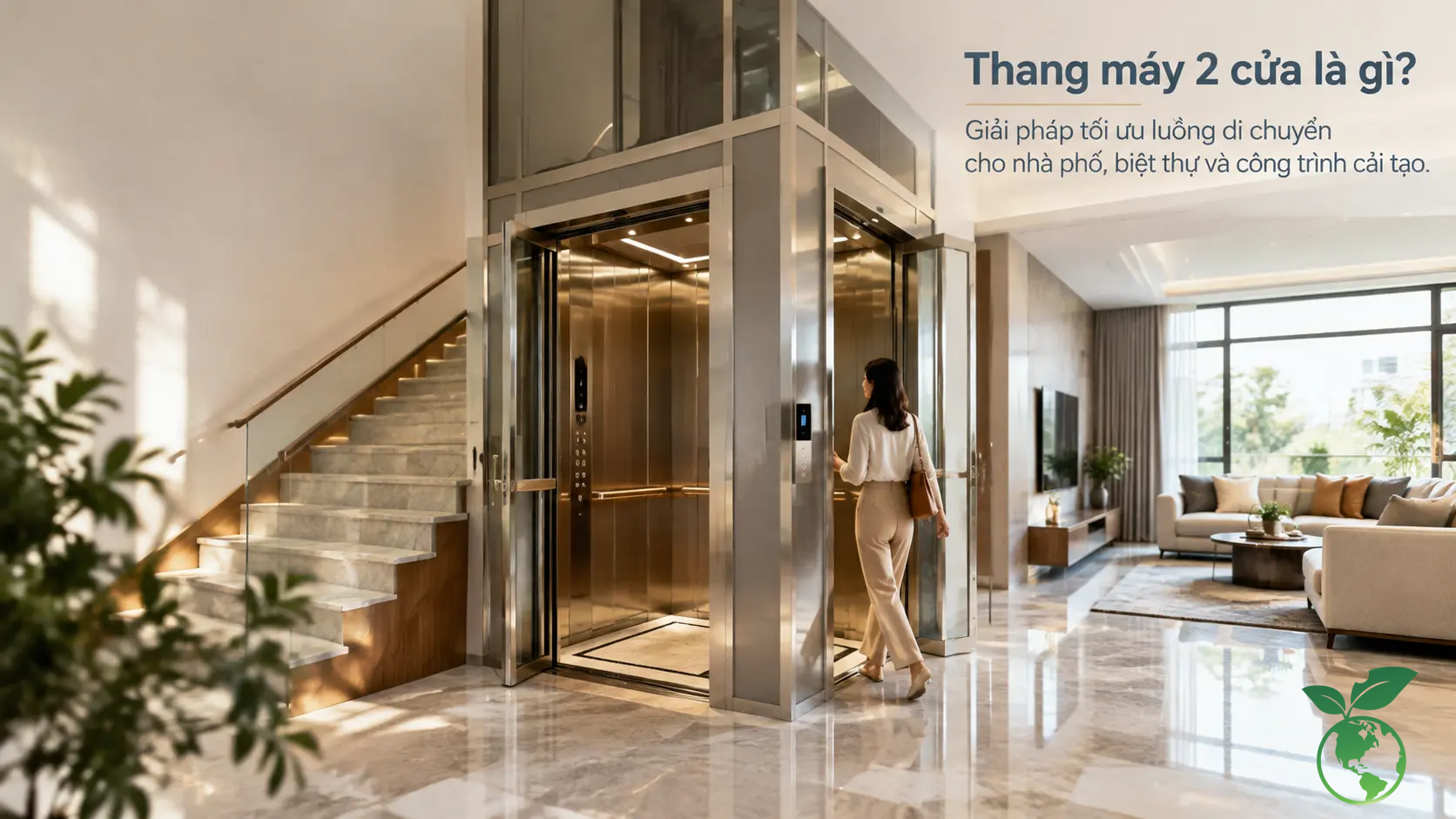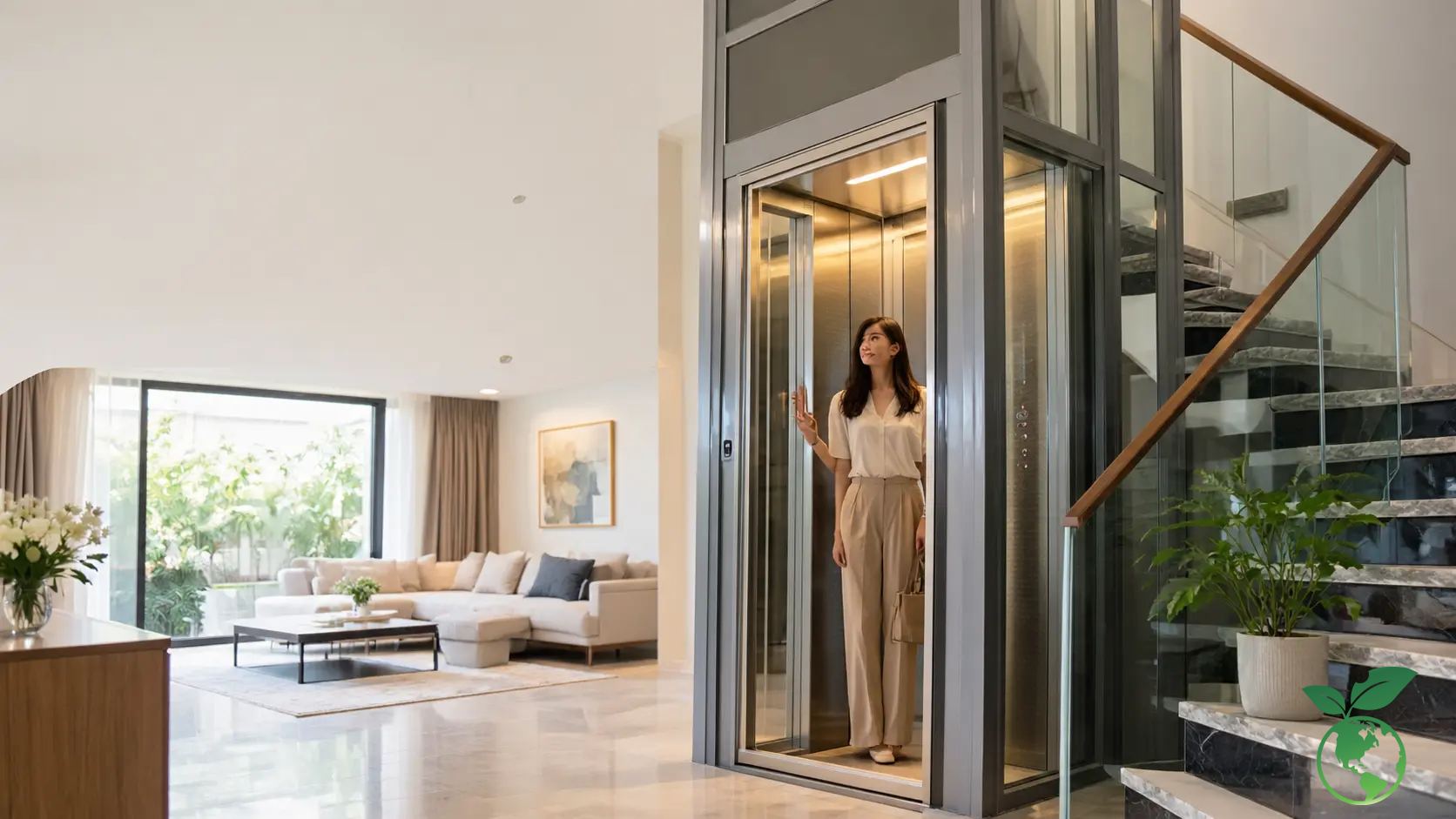
In townhouses with narrow elevator shafts, elevator maintenance frequently delayed schedules often start with small noises at the landing door. QCVN 02:2019/BLĐTBXH requires management of records and safety inspection; the housing market in Hanoi in 2026 recorded nearly 36,000 newly launched apartments. This article helps homeowners control schedules, costs, and technical reports.
Why does on-schedule home elevator maintenance help reduce risks and repair costs?
Scheduled maintenance is the way to detect wear and tear before it becomes a breakdown. For home elevators, landing door faults, door sensors, lubrication oil, and electrical contacts are often minor at first. However, they can lead to elevator stops, door jamming, or component replacement earlier than expected. Homeowners should see this as a preventative cost, not an incidental expense.
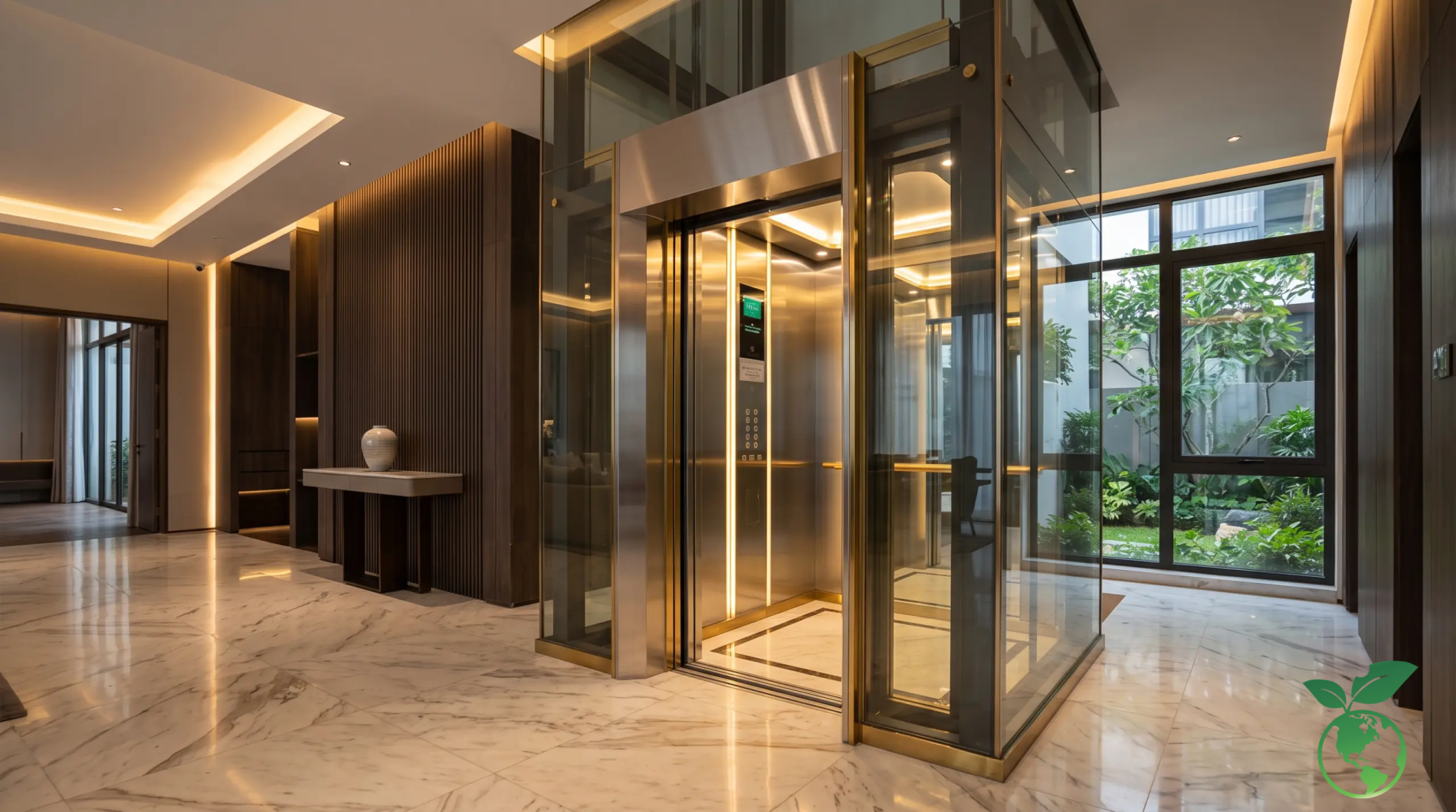
Risks arising when delaying periodic elevator maintenance
Delaying maintenance causes technicians to lose data on fault cycles. Slow-closing cabin doors may be due to dirty door rails, but can also be related to the door motor or control unit. When skipping multiple periods, homeowners usually only call for repairs when the elevator stops completely. At that point, the rectification cost and downtime increase significantly.
- Dust accumulation on door rails causes the door to not close completely and triggers continuous safety faults.
- Oxidized landing door contacts cause the elevator to not receive commands even though the cabin lights are still on.
- Degraded gearbox oil increases friction and noise when the cabin starts.
- Unchecked hoisting cables may show localized wear or incorrect tension.
- Weak automatic rescue unit batteries make the plan to bring passengers to the nearest floor less reliable.
Signs your home elevator needs inspection before the maintenance schedule
Do not wait for the fixed schedule when the elevator shows unusual signs. Changes in sound, vibration, closing speed, or floor-stopping accuracy are all worth noting. Homeowners should not attempt to disassemble the electrical cabinet, open landing doors, or interfere with the brake system. The right thing to do is to stop operating when there are signs of danger and contact a technician.
Thang Máy Việt Ý khuyến nghị ghi lại thời điểm, tầng dừng và điều kiện xảy ra lỗi để kỹ thuật viên khoanh vùng nguyên nhân nhanh hơn.
Practical benefits of cyclic elevator maintenance for homes
Elevator maintenance creates a verifiable technical history. Each period's report shows which components have been cleaned, adjusted, or need replacement. This is important data when the homeowner sells the house, upgrades the interior, or works with an inspection agency. Maintenance also keeps the cabin running smoother in buildings where elderly people use it daily.
| Status | Common causes | Risks if handling is delayed | Handling direction |
|---|---|---|---|
| Slow-closing door | Dirty or misaligned door rails | Elevator stop, door jamming | Cleaning and adjustment |
| Cabin light vibration | Guide rails or guide shoes worn | Reduced smoothness, increased wear | Measurement and replacement when necessary |
| Flickering lights | Auxiliary power or loose contacts | Difficult to see when power is lost | Power and connection check |
| Missed floor stopping | Position sensor or inverter parameters misaligned | Risk of tripping | Calibration by a technician |
Practical tip: treat every newly appearing sound as maintenance data. For example, a villa in Thao Dien using a 450 kg elevator had a squeaking sound when stopping at the third floor. After cleaning the door rails and adjusting the guide shoes, the squeak disappeared in the first service period.
How often should home elevators be maintained?
There is no single schedule for all buildings. The frequency of home elevator maintenance depends on the number of trips, type of drive, age of the equipment, humid/dusty environment, and the degree of dependence of the users. The manufacturer's instructions are always the priority benchmark. For elevators with elderly people or wheelchair users, the inspection schedule should be more cautious.
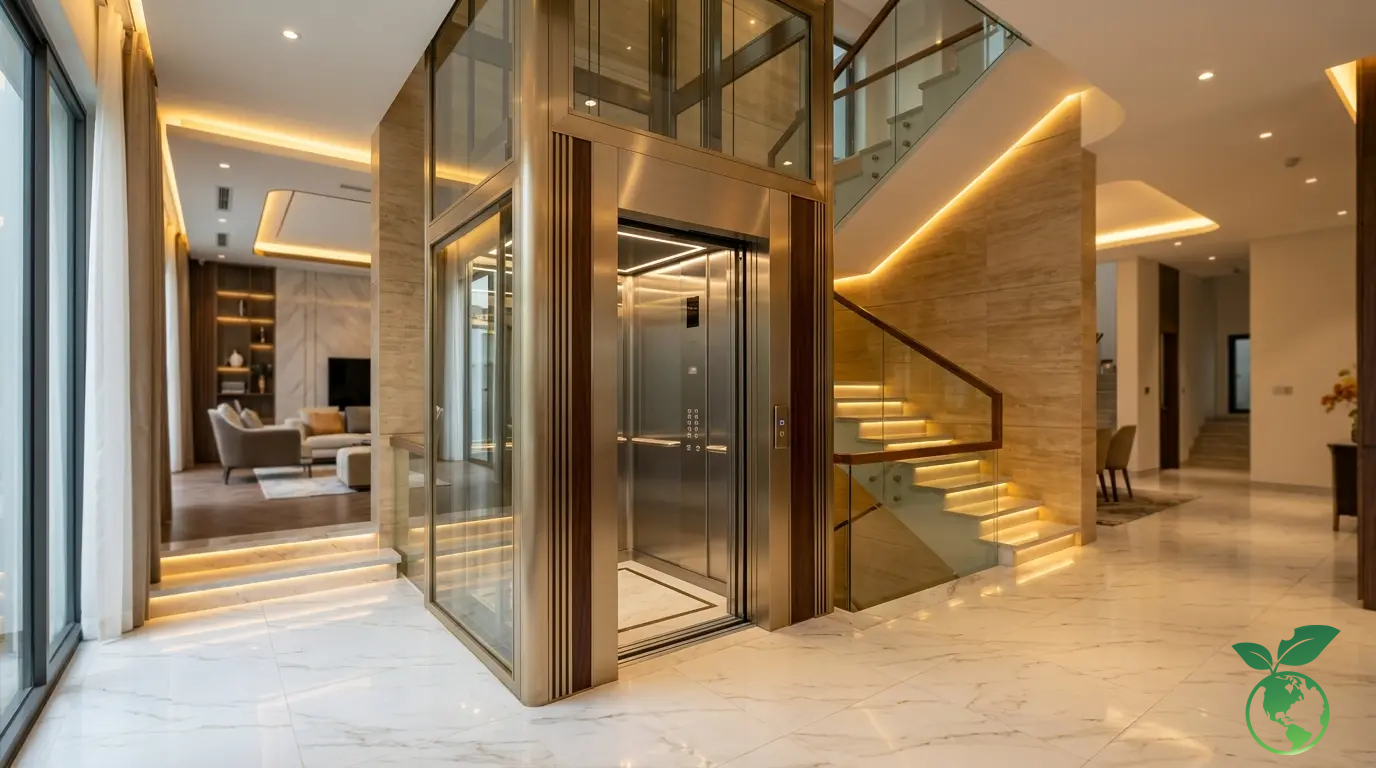
Home elevator maintenance schedule based on actual usage frequency
Houses with low usage can apply periodic checks according to the manufacturer's instructions and service contracts. Houses with multiple generations, accommodation businesses, or continuous operation need shorter cycles. Do not strictly apply a public building schedule to a private home. The important thing is to measure the frequency correctly and record recurring faults.
- Statistics of average daily trips for at least four consecutive weeks.
- Classify low, medium, or high usage levels based on actual living schedules.
- Compare the manufacturer's recommended schedule with the age and configuration of the equipment.
- Increase frequency when the building is near the sea, dusty, or has high humidity.
- Shorten the cycle when there are elderly people who depend on the elevator every day.
When to increase the maintenance frequency for long-operated elevators
Thang vận hành trên mười năm cần được theo dõi kỹ hơn về cửa tầng, bộ hãm, cáp tải, tủ điều khiển và ắc quy cứu hộ. Đây không phải lý do để thay mới toàn bộ thiết bị. Trước hết cần đánh giá bằng dữ liệu lỗi, kết quả đo và khả năng cung ứng linh kiện. Dựa trên kinh nghiệm thi công của Thang Máy Việt Ý, việc lập danh mục linh kiện theo mức rủi ro thường hiệu quả hơn thay thế dàn trải.
Safety inspection milestones to follow in parallel with periodic maintenance schedules
Maintenance does not replace inspection. QCVN 02:2019/BLĐTBXH requires initial, periodic, and irregular inspections in cases specified by regulations, while keeping certificates, reports, and related records. According to QTKĐ 02-2026/BLĐTBXH, the inspection cycle usually depends on the equipment's age: under ten years is three years, over ten years is two years, over twenty years is one year.
| Equipment group | Suggested maintenance schedule | Milestone to reassess | Priority check |
|---|---|---|---|
| New elevator, low usage | Per manufacturer's instructions | When door faults arise | Door, power, rescue |
| Multi-generation house | Shorter cycle | When trips increase sharply | Door, floor stopping, ARD |
| Equipment over ten years | Increased inspection | Every inspection period | Cables, brakes, control cabinet |
| Small accommodation building | Strict cycle | After guest feedback | Smoothness, door, signals |
Practical tip: add the inspection expiration date to the home management calendar along with the maintenance date. A townhouse in Hanoi with a machine-room-less elevator increased its inspection schedule when converting the ground floor into a rental area. Thus, landing door faults were handled before affecting tenants.
What steps are included in the home elevator maintenance process?
The elevator maintenance process must have a sequence, safety isolation measures, and a final report. Homeowners should ask technicians to explain the items checked instead of just confirming “the elevator runs normally”. A good working period will include records check, mechanical check, electrical check, test run, and recommendation recording.
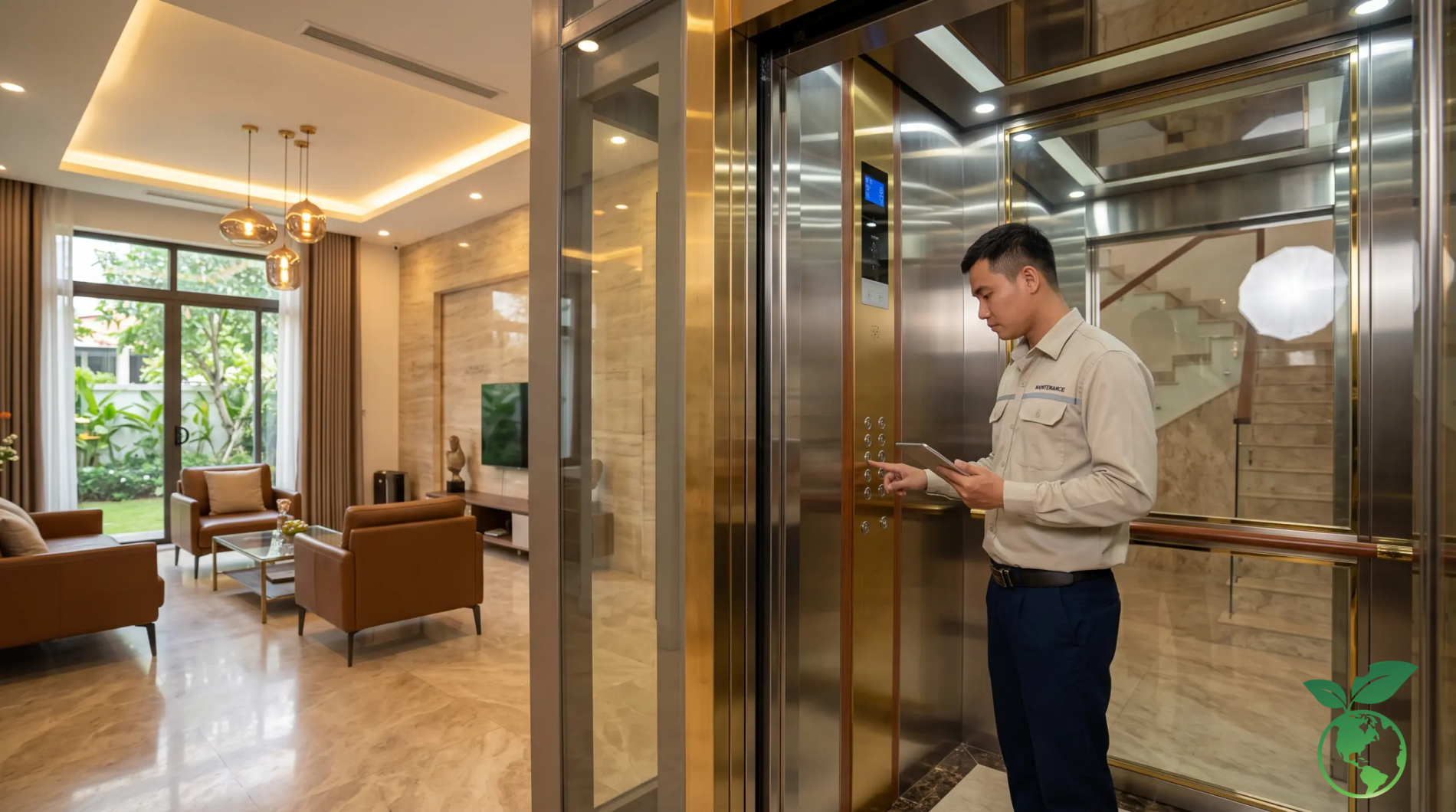
Initial inspection step before the technician disassembles the equipment
Technicians start with fault history, old reports, inspection stamps, and user feedback. Then, they check the operating status before intervening. This step helps distinguish continuous faults from intermittent ones. Disassembling without identifying the current state can lose important technical traces.
Step to check the machine room, electrical cabinet, and control system in each maintenance period
The electrical cabinet needs to be checked for cleaning, temperature, connections, grounding, and fault logs. The inverter (VVVF) must be evaluated according to manufacturer parameters. Do not manually change parameters to handle vibration or misaligned floor stopping. For machine-room-less elevators, these items are accessed via the control cabinet location area according to the design configuration.
Step to check the cabin, landing door, and safety system while the elevator is running
Doors are the group of items with the highest operating frequency. Technicians need to check gaps, sliding rails, door locks, anti-jam sensors, floor call buttons, bells, and communication systems. The cabin also needs assessment for leveling, lighting, handrails, and floor signals. Any faults affecting safety must be clearly prioritized.
Step to check the pit, guide rails, and hoisting cables after a period of use
The pit must be dry, clean, free of water, and contain no foreign objects. Guide rails, guide shoes, hoisting cables, and pulleys need to be checked according to corresponding technical standards. With renovation projects, the risk of pit water seepage is higher due to old waterproofing. This is why it is necessary to observe building conditions, not just look at the cabin.
Step to run tests, record faults, and hand over the report after maintenance
Chạy thử phải bao gồm gọi tầng, mở đóng cửa, dừng tầng, vận hành không tải và kiểm tra chức năng cứu hộ phù hợp cấu hình. Biên bản cần ghi rõ hạng mục hoàn thành, lỗi tồn tại, vật tư đã dùng và đề xuất thay thế. Theo các chuyên gia tại Thang Máy Việt Ý, chủ nhà nên ký biên bản sau khi đã đọc mục “khuyến nghị xử lý”, không chỉ nhìn phần xác nhận hoàn thành.
- Check records, inspection stamps, and fault descriptions from the person currently using the elevator.
- Isolate power according to safety procedures before opening the electrical cabinet or mechanical area.
- Check control cabinet, VVVF inverter, and ARD automatic rescue unit.
- Check cabin, landing door, sensors, door locks, and floor stopping accuracy.
- Check pit, guide rails, hoisting cables, and transmission area.
- Run tests, create a report, and state the deadline for handling each remaining fault.
Practical tip: do not accept reports that only say “maintained”. A boutique hotel in Da Lat using a hydraulic elevator discovered a damp pit during the inspection. The technical unit proposed handling waterproofing first, instead of replacing electrical components immediately.
How are home elevator maintenance fees calculated?
Home elevator maintenance fees should not be compared by a single number. A reasonable price depends on the number of visits to the project, elevator configuration, travel distance, scope of inspection, material conditions, and incident response commitments. Cheap quotes that do not specify exclusions often make the final period cost difficult to control.
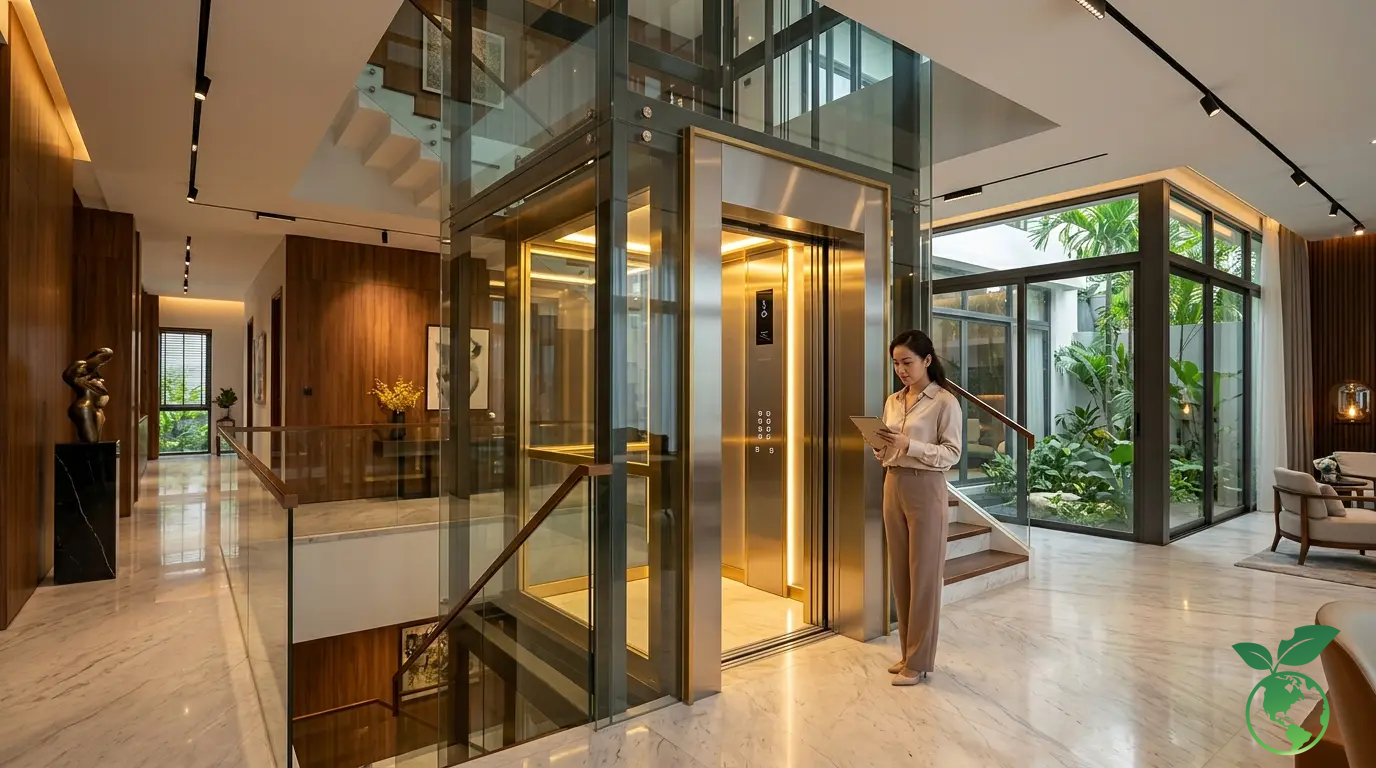
Factors that change the monthly or annual home elevator maintenance fee
Drive type, equipment age, number of floors, load, number of trips, and component status determine the workload. Elevators with proprietary components or discontinued production have higher contingency costs. Projects far from the center or requiring after-hours on-call may also generate other service levels. Homeowners should request a scope of work table by package.
When should you choose an all-inclusive maintenance package that includes materials?
All-inclusive packages are suitable when the homeowner wants a stable budget and the equipment already has a clear history of wear. However, it is necessary to clarify which materials are included, value limits, replacement conditions, and which parts are excluded. This package does not automatically include every major component such as control cabinets, traction machines, or brakes if not clearly stated in the contract.
When should you choose a periodic maintenance package that does not include replacement equipment?
Packages not including replacement equipment are suitable for new elevators, components are still good, and the homeowner wants to control each purchase. In return, the unit price for replacement must be transparent and confirmed before execution. Ask for a quote stating the origin of the components, warranty time, and impact on operating progress.
Costs easily arising outside the initial maintenance quote
Costs that easily arise include handling pit seepage, rectifying power sources, fixing construction damage, deep cleaning of door rails, and replacing worn-out components. After-hours rescue costs also need to be defined in advance. Homeowners should distinguish between faults belonging to normal maintenance and damage due to misuse, natural disasters, or building renovation.
| Form | Suitable for | Strengths | Points to clarify |
|---|---|---|---|
| Periodic without materials | New elevator, few faults | Low initial cost | Replacement unit price |
| All-inclusive with materials | Equipment many years old | Easy to budget | List of exclusions |
| Per visit | Very rarely used house | Short-term flexibility | Lack of continuous monitoring |
| Enhanced package | Rental, accommodation house | Faster response | Incident on-call conditions |
Practical tip: compare “total period cost” instead of the price of one visit. A villa in Sala, HCMC chose a periodic package without materials for a newly operated 350 kg elevator. The contract still regulated the unit price of ARD batteries and door sensors to avoid disputes when they arise.
What do homeowners need to prepare before, during, and after each elevator maintenance session?
Homeowners do not need deep technical knowledge, but need to prepare correct data. Simple information such as the time of fault, the floor, unusual sounds, and recent power outages are all helpful. This helps technicians reduce troubleshooting time and helps homeowners control work quality after maintenance.
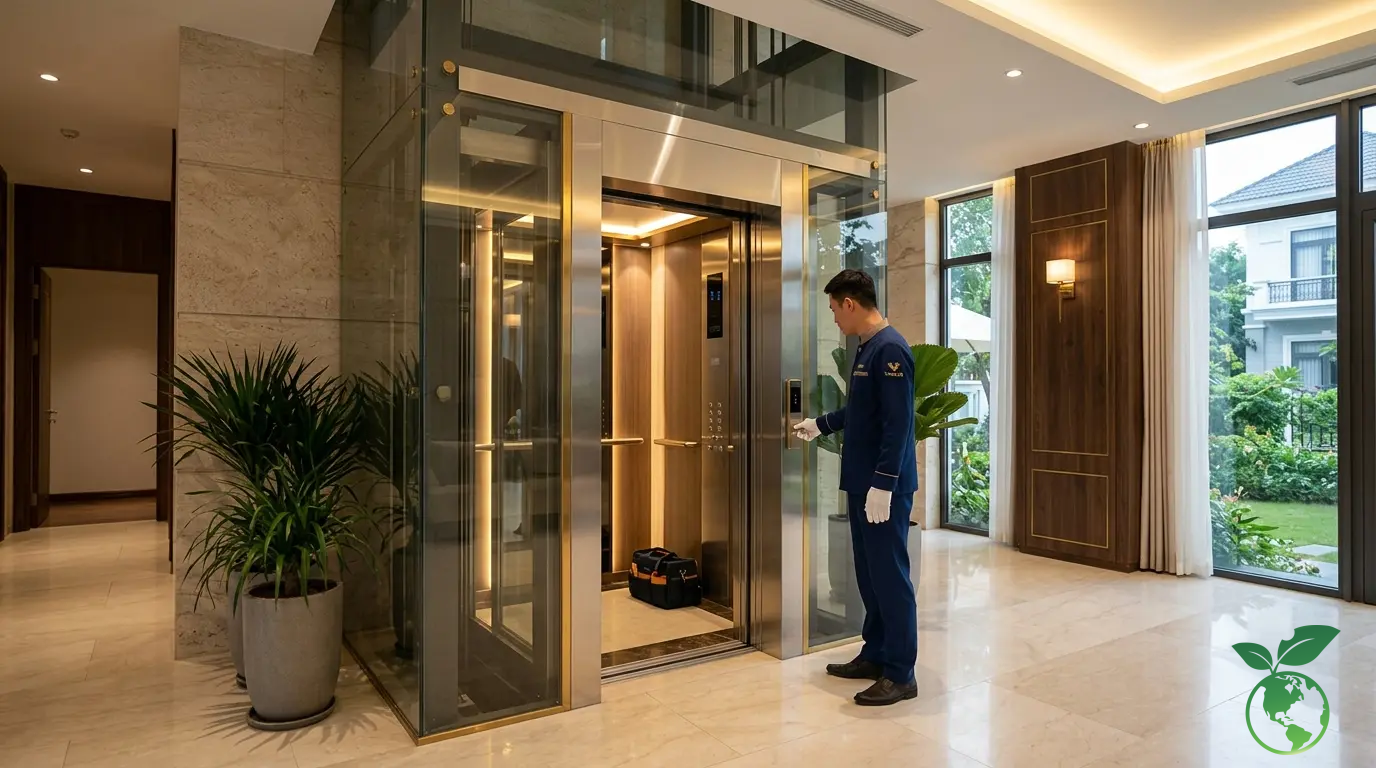
Checklist for homeowners to check before the maintenance unit comes to work
- Record the time, landing floor, and symptoms of each most recent fault.
- Ensure the entrance to the electrical cabinet, landing door, and pit area is not blocked.
- Prepare the previous period's report, component replacement history, and inspection information.
- Notify household members of the maintenance time to limit calling the elevator continuously.
- Check that the rescue phone number in the cabin is working before the work session.
Operational information that needs to be provided to the technician during the maintenance session
Please provide information according to events instead of general comments. For example, “the elevator makes a noise when going from the second to the third floor in the evening” is more valuable than “the elevator is a bit noisy”. It is also necessary to clearly state that the building has just been renovated, had a power outage, or had water spilled near the pit. These factors may be directly related to the fault.
Faults that need to be clearly recorded in the report immediately after maintenance
The report should record handled faults, unhandled faults, impact level, proposed components to replace, expected costs, and implementation deadline. One should not accept vague phrases like “monitor further” if there are no monitoring criteria. Homeowners need to request clarification on which conditions require stopping the elevator to ensure safety.
Maintenance records to keep for controlling repair history and component replacement
Minimum records include elevator profile, valid inspection certificate, maintenance report, material invoice, replacement quote, and incident log. QCVN 02:2019/BLĐTBXH requires keeping records related to inspection, maintenance, repair, and part replacement. This is also the basis for evaluating service providers after many periods.
Practical tip: keep records by equipment code and implementation date. This helps analyze whether a landing door fault repeats after three periods, instead of just relying on the memory of people in the house.
How to choose a home elevator maintenance unit to avoid contract risks
The maintenance unit does not only provide labor. They are participating in the risk management of a passenger-carrying device. Therefore, evaluation needs to be based on technical capability, contract scope, ability to supply components, and transparency when reporting faults. Do not choose just because of a “fast presence” promise without measurable clauses.
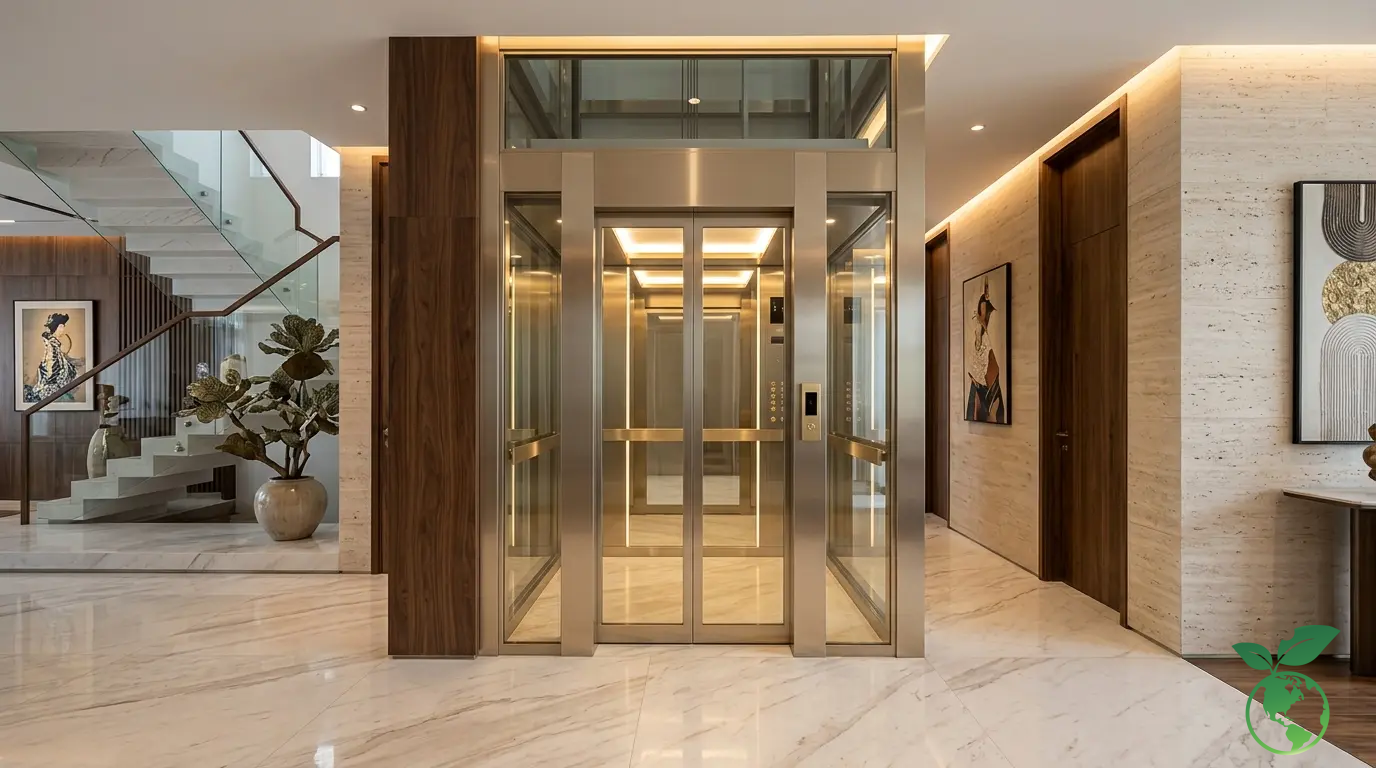
Technical capability to check before signing a maintenance contract
Ask about experience with the exact type of elevator in the building, the ability to read control cabinet fault logs, rescue procedures, and alternative compatible components. A good unit has clear report templates, a list of check items, and a quote process. Homeowners should also check if they distinguish between maintenance, repair, and inspection.
Incident response clauses and arrival time need to be clarified in the contract
The contract needs to state the receiving time, remote response time, expected arrival time, and conditions for after-hours application. Do not use the phrase “as fast as possible”. Instead, it is necessary to determine how people-trapped incidents, elevator stopped-no-people-trapped, and non-emergency faults will be prioritized.
Scope of materials, components, and replacement costs need to be separated on the quote
Consumables, wear-and-tear components, electronic devices, and construction items must be separated into separate groups. Homeowners need to know if the price includes installation, shipping, warranty, and tax. This presentation method helps compare quotes more fairly. It also avoids the situation of a small item being grouped into “other costs”.
How to evaluate service quality after the first few maintenance periods
Evaluate by data: fault recurrence rate, report completeness, number of grounded recommendations, and actual response time. Good service is not a unit that always proposes replacement. Good service is a unit that explains why repairs are needed, has evidence, has priority levels, and takes responsibility for its recommendations.
- Request a list of maintenance items appropriate to the type of elevator being used.
- Check the process for handling trapped-person cases and contacting after-hours rescue.
- Compare quoted materials with component codes and specific warranty conditions.
- Request that the report states remaining faults, assumed causes, and priority levels.
- Evaluate the recurrence rate of faults after at least three consecutive working periods.
Practical tip: add a pre-replacement quote clause to the contract. The phrase “family elevator maintenance service” should be attached to a verifiable process, rather than just being an advertising commitment.
After elevator maintenance, what needs to be managed to optimize long-term costs?
After each elevator maintenance, the homeowner needs to turn the report into management decisions. Recurring faults, material consumption levels, and component age are signals for the next spending plan. Good management helps avoid two extremes: replacing too early or trying to prolong equipment that is no longer safe and stable.
Monitor fault recurrence trends after each elevator maintenance period
A fault that repeats three times needs to be reviewed at the root cause level. For example, a landing door that constantly reports a fault may not just be due to a sensor. It could stem from door rails, floor flatness, cabin vibration, or power supply. Effective elevator maintenance must have comparison data between periods, not just symptom treatment.
Budget for component replacement according to equipment lifespan instead of waiting for breakdown
Divide components into safety groups, operational groups, and aesthetic groups. The safety group must be prioritized according to technical recommendations. The operational group can establish a contingency fund according to equipment age. Aesthetic groups such as cabin lights, wall materials, or call panels should be attached to interior renovation plans to avoid frequent disassembly.
Determine when to perform major repairs or upgrades instead of continuing small, scattered maintenance
Cần cân nhắc sửa chữa lớn khi lỗi dừng thang lặp lại, linh kiện khó tìm, chi phí sửa vụn tăng liên tục hoặc yêu cầu sử dụng thay đổi. Ví dụ, nhà có người lớn tuổi có thể cần nâng cấp hệ thống liên lạc, đèn khẩn cấp hoặc nút bấm. Thang Máy Việt Ý khuyến nghị đánh giá tổng chi phí sở hữu trong ba năm tới trước khi quyết định nâng cấp tủ điều khiển hoặc thay thiết bị trọng yếu.
| Management sign | Appropriate decision | Data to review | Goal |
|---|---|---|---|
| Repeating door fault | Root cause analysis | Three most recent reports | Reduce elevator stops |
| Small repair costs increase | Create major repair plan | Twelve-month costs | Budget control |
| Equipment over ten years | Upgrade evaluation | Inspection results | Increase reliability |
| Change in users | Accessibility safety review | Actual needs | Increase usage convenience |
Points to remember: elevator maintenance does not stop on the day the technician leaves the site. Homeowners need to keep reports, monitor recurring faults, and include grounded recommendations into the annual budget.
- Do not wait for the elevator to stop completely before booking a professional technical inspection.
- Clearly distinguish between periodic maintenance and mandatory safety inspections according to regulations.
- Require the report to state sufficient faults, priority levels, materials, and handling deadlines.
- Compare maintenance fees according to service scope, not just based on the initial price.
- Keep records to identify recurring faults and forecast component replacement.
- Evaluate major repairs when small repair costs increase or components lack stability.
Bảo trì thang máy đúng cách bảo vệ an toàn, công năng và giá trị công trình. Với biệt thự, nhà phố hoặc khách sạn cần cấu hình thang cao cấp, Thang Máy Việt Ý là đối tác cung cấp, lắp đặt và bảo trì giúp chủ đầu tư xây dựng kế hoạch kỹ thuật phù hợp với thiết bị và nhịp vận hành thực tế.