Elevator repair becomes an emergency when the cabin stops between floors in narrow townhouses, multi-story villas, or hotels with guests. The housing market continues to recover, while standards EN 81-20 and EN 81-50 emphasize safety for passengers and technicians; this article helps you identify risks, call for rescue properly, and control the remediation.
Elevators are equipment with strict requirements for occupational safety. Therefore, incidents should not be handled by speculation or spontaneous operations. Homeowners need to distinguish between faults that can be monitored and signs that require immediate operation stoppage.
When to call 24h emergency elevator repair service?
Not every warning is a rescue situation. However, elevators stopping at the wrong floor, doors not locking, the cabin vibrating abnormally, or people being trapped all require safety prioritization. Calling technicians early often minimizes chain damage to landing doors, control cabinets, and traction machines.
Signs that an elevator is at risk of being unsafe and should be stopped immediately
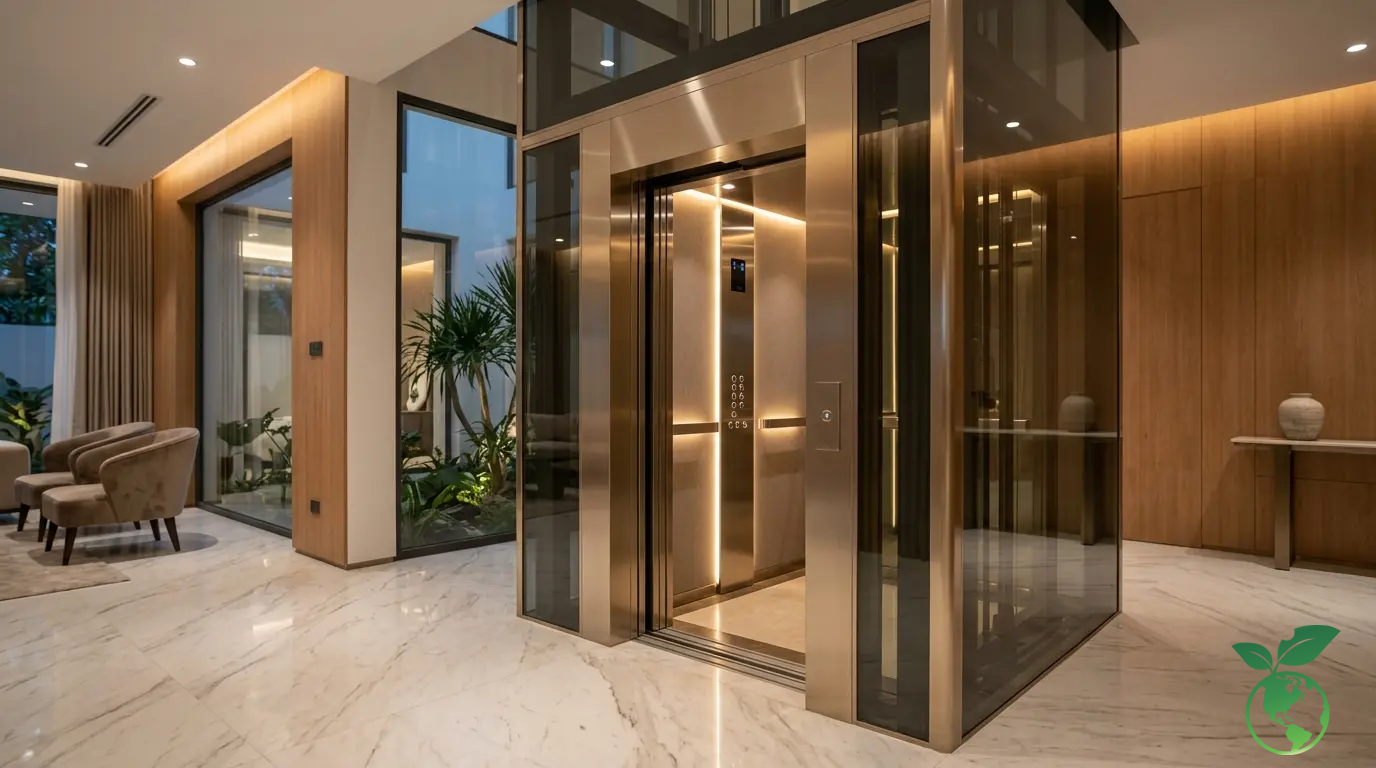
Stop the elevator immediately when the cabin vibrates strongly, makes impact sounds, landing doors open when the cabin has not arrived, there is a burning smell, or water enters the pit. These signs may relate to door locks, brakes, power sources, or controllers. Do not continue running to “see if it still works”.
Situations involving people trapped in the cabin require elevator rescue activation
When there are people in the cabin, prioritize two-way communication and call elevator rescue. People outside must not pry the doors open. People inside the cabin must not climb out through the landing door. The technical team needs to determine the cabin's position before performing safe rescue operations.
Abnormal operation faults should not be manually reset multiple times
The control cabinet can protect itself by stopping the elevator when a fault is detected. Continuous resetting can mask error codes, overheat components, or cause the cabin to run again when the cause has not been eliminated. Only trained technicians should access the control cabinet and error logs.
Cases that can be monitored further before calling technicians
Short-term monitoring is possible when the elevator only responds slowly once, no one is trapped, there is no strange smell, and the door still locks securely. Record the time, floor stopped, and displayed notifications. If the fault repeats during the day, stop operation and request an inspection.
- Stop using immediately when the landing door does not lock securely or the cabin stops misaligned with the floor.
- Call for rescue when people are trapped, even if the cabin lights are still on.
- Do not reset more than once when the cause of the fault is not understood.
- Record noise, vibrations, and displayed codes before the fault disappears.
- Check for the risk of water flowing into the pit after heavy rain or leaks.
| Signs | Level | Action | Main risk |
|---|---|---|---|
| People trapped | Emergency | Call rescue immediately | Panic, self-escape |
| Abnormal door opening | Very high | Stop elevator | Falling into the hoistway |
| Strong vibration/shaking | High | Stop test runs | Mechanical or control fault |
| Fault reported once | Medium | Record, monitor | Recurrent fault difficult to trace |
Practical summary: một lỗi nhỏ chỉ được phép theo dõi khi cabin trống, cửa khóa đúng và không có dấu hiệu cơ khí bất thường. Dựa trên kinh nghiệm thi công của Thang Máy Việt Ý, các lỗi cửa tái diễn cần kiểm tra sớm vì đây là nhóm lỗi dễ gây dừng thang đột ngột.
What to do in the first 15 minutes when the elevator has an incident?
The first fifteen minutes determine whether the handling is safe or not. The goal is not to get the cabin running again quickly. The goal is to maintain communication, isolate the dangerous area, confirm the status of people in the cabin, and provide accurate data to the technical team.
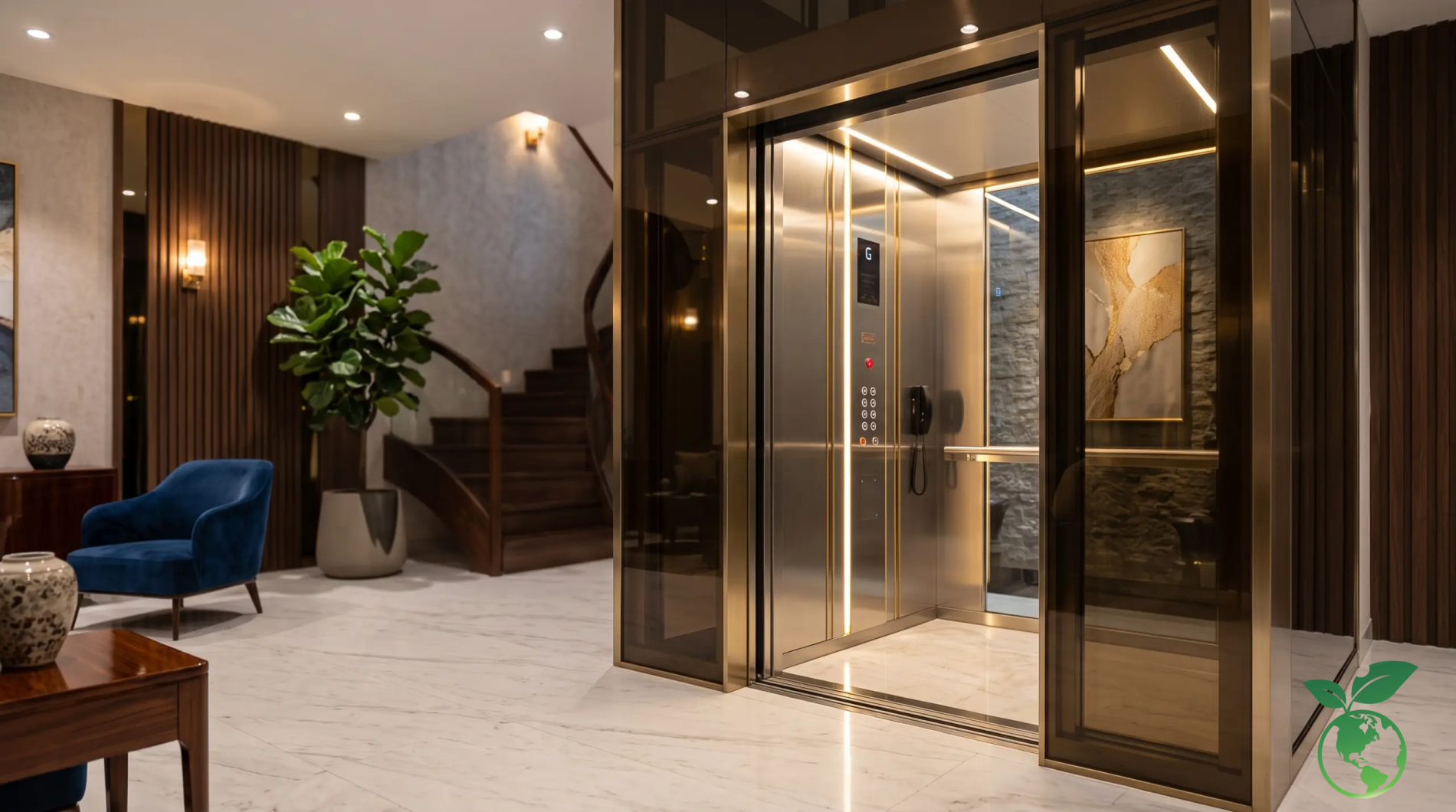
What people outside need to do immediately when detecting an elevator entrapment
People outside need to identify the floor where the cabin is suspected to be stopped, place warning signs, and prevent others from calling the elevator. Call the maintenance unit's rescue number. Then, maintain communication with the people in the cabin via the bell, phone, or intercom system.
Instructions to reassure people in the cabin before the rescue team arrives
Instruct people in the cabin to stand steadily, avoid leaning on the door, and do not use hard objects to pry the door gap. Remind them to save phone battery, stay calm, and report the number of people, health status, temperature, and lighting. The cabin will not fall on its own when the safety system is functioning normally.
Information needed when calling for 24h elevator repair
When calling 24h elevator repair, provide the exact address, number of floors, number of people in the cabin, estimated cabin position, fault manifestations, control cabinet brand, and the phone number of the person on-site. Photos of the display panel or error codes help technicians prepare the right tools.
Operations to absolutely avoid before technicians check
Do not open the landing door with the emergency key if not trained. Do not turn the power off and on repeatedly. Do not let people stand close to the landing door. Do not use ropes, ladders, or objects to help people get out. These operations can turn an operational incident into a serious accident.
- Keep in touch with people in the cabin with clear and concise voice.
- Request everyone to avoid standing close to the landing door or the hoistway area.
- Record the time the incident occurred and the last floor the cabin stopped at.
- Take a photo of the floor display or error code screen if it can be done safely.
- Prepare the machine room key, electrical diagrams, and someone to open the building gate.
| Information to report | Example | Processing value |
|---|---|---|
| Address | 5-story townhouse in Hanoi | Coordinate technical route |
| Cabin position | Between 2nd and 3rd floor | Choose rescue plan |
| Number of trapped people | Two adults | Medical and time priority |
| Error code | Displayed on the floor call panel | Prepare appropriate components |
For example, a townhouse in Hanoi using a 450 kg elevator stopped after a voltage drop. The homeowner kept in touch, did not pry the door, and sent a photo of the error code. The technician identified that the automatic rescue device needed inspection, released the passengers safely, and isolated the power before repairing.
How does the rescue and elevator repair process take place on-site?
Professional processes always separate two tasks: saving people and repairing equipment. Rescue must be completed according to principles of controlling cabin position, locking the landing door, and isolating risks. Repair only starts after there are no people in the danger zone.
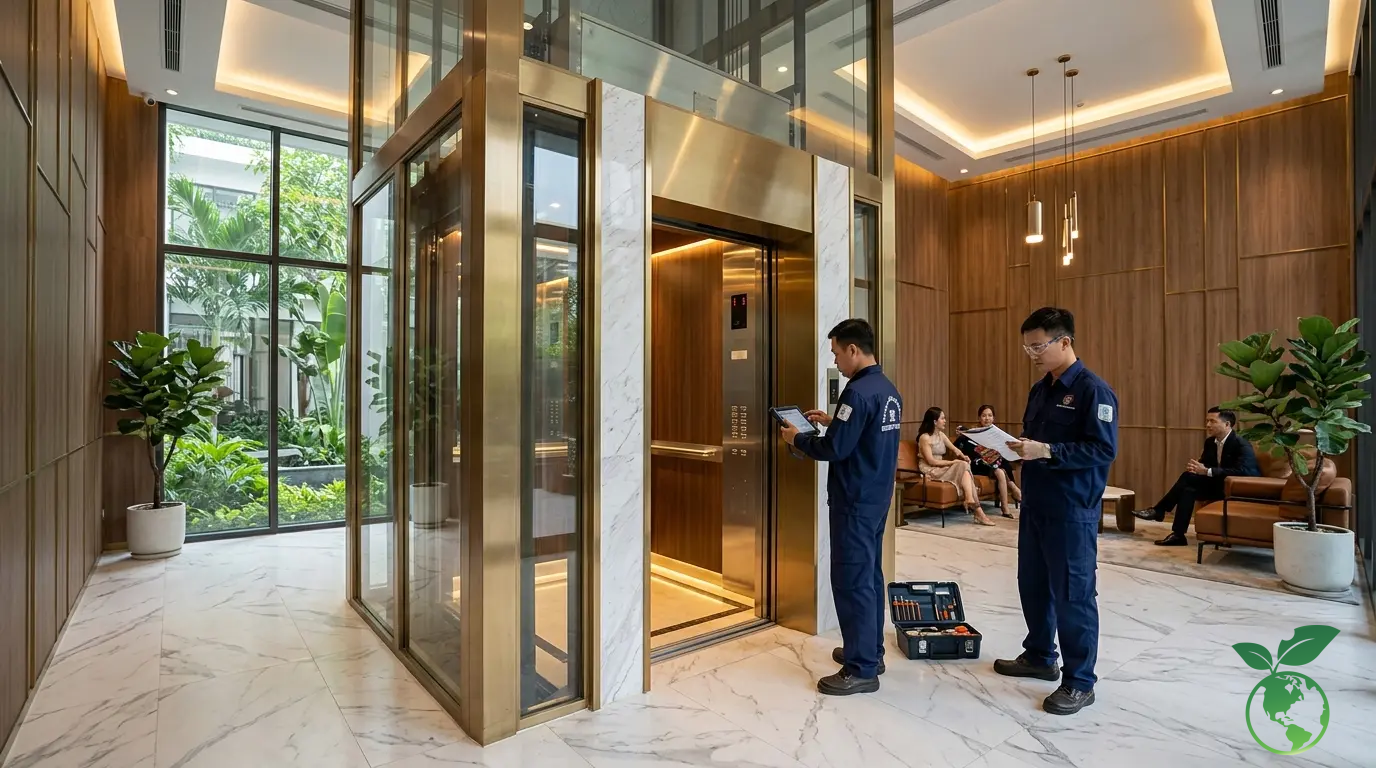
Receiving incident reports and assessing urgency via phone
The coordinator assesses whether there are people trapped, which floor the cabin stopped at, and if there is a risk of fire, water, or power loss. Cases with elderly people, children, or people showing signs of fatigue need higher priority. This is the basis for mobilizing personnel and equipment.
Isolating faults before intervening in the elevator system
Technicians check power, control cabinets, safety switches, door locks, and cabin position. They do not replace components based on guesses. Isolating helps distinguish between power faults, door faults, inverter faults, or mechanical faults. This reduces the risk of incorrect repairs and incurred costs.
Rescuing trapped people according to cabin and landing safety principles
Rescue is only performed when the cabin is brought to a suitable position or safely fixed. Technicians confirm the corresponding landing door, block the risk of the cabin moving, and assist people in the cabin out in order. There is no safe plan if the door is opened when the cabin is misaligned with the floor.
Temporary repair to bring the elevator to a safe state
If there are no replacement parts, the elevator must be handed over in a stopped state with clear warnings. Temporary repair is only appropriate when that measure does not disable safety mechanisms. Do not run the elevator to serve guests when the safety fault has not been eliminated.
Test run and recommendation handover after incident processing
After repair, technicians run tests for multiple cycles, check floor stopping, door opening/closing, floor call signals, and rescue functions. The handover report needs to clearly state the fault, replaced components, items not yet processed, and the next inspection schedule.
- Receive sufficient data before sending the technical team to the site.
- Isolate the elevator area before opening the control cabinet or landing door.
- Determine cabin position by indicators and check actual safety.
- Prioritize getting people out before investigating deep causes.
- Perform supervised test runs before allowing the elevator to operate again.
| Stage | Goal | Completion conditions |
|---|---|---|
| Reception | Urgency classification | Have sufficient on-site information |
| Rescue | Get people out | Cabin empty and door safe |
| Isolate | Determine cause | Have technical diagnosis |
| Handover | Restore or stop elevator | Have report and recommendations |
Ví dụ tại khách sạn boutique ở Đà Lạt, cabin 630 kg dừng lệch 120 mm khi cửa tầng mở không hoàn tất. Đội kỹ thuật cứu hộ trước, sau đó phát hiện cụm khóa cửa bị mòn. Thang chỉ được mở lại sau khi thay thế và chạy thử nhiều chu kỳ. Theo các chuyên gia tại Thang Máy Việt Ý, đây là cách kiểm soát rủi ro phù hợp hơn việc ép thang chạy tạm.
What groups of damage are usually detected during elevator repair?
Damage usually does not appear in isolation. A prolonged door fault can create a stop command, making passengers misunderstand it as a traction machine fault. Good diagnosis must be based on error codes, on-site signs, and operational cycle checks instead of relying on just one symptom.
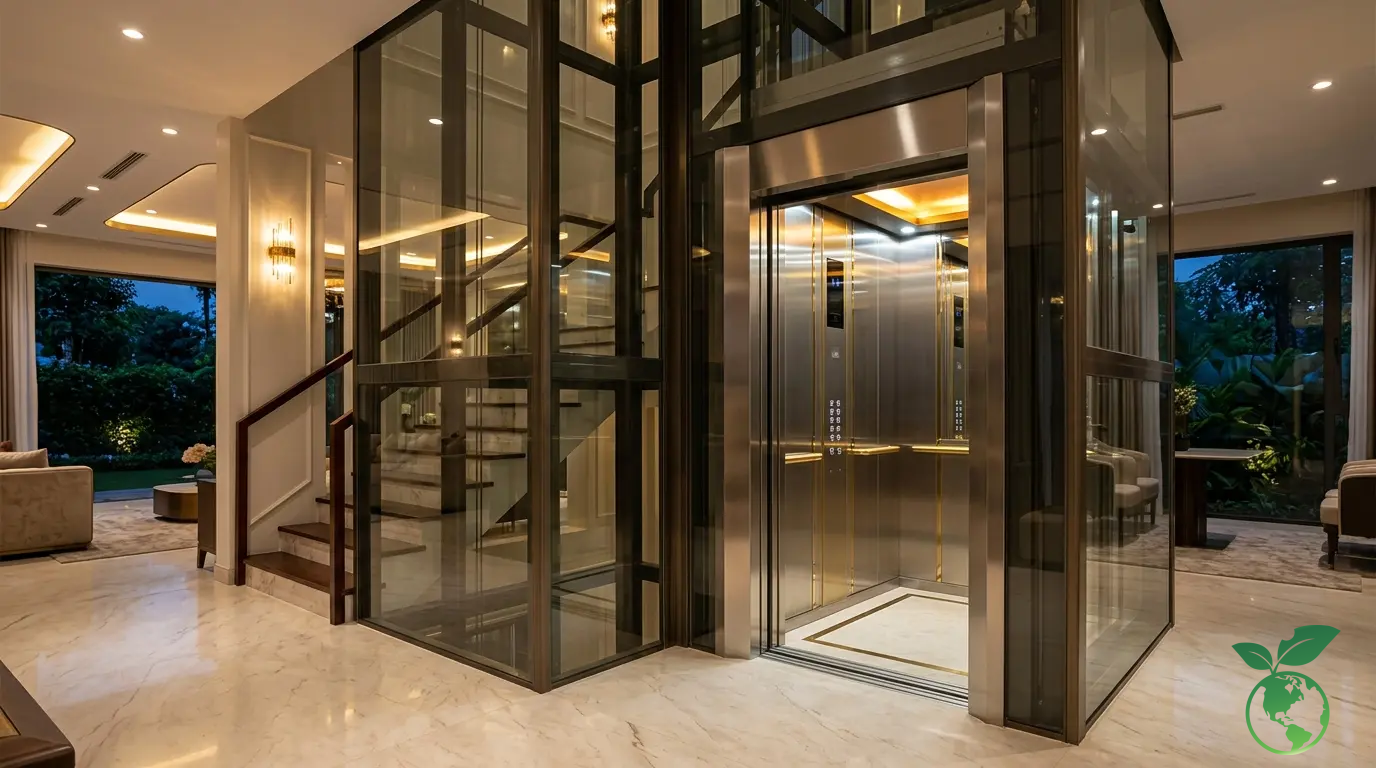
Landing door and cabin door faults detected when the elevator does not open/close correctly
Doors closing slowly, bouncing back multiple times, or not locking completely may be due to dirty door rails, obstacle sensors, belts, rollers, or door locks. This is a common group of faults and needs early processing because it relates directly to the conditions allowing the cabin to run.
Inverter and control cabinet faults detected when the elevator stops at the wrong floor or vibrates
The inverter controls motor speed and acceleration. When parameters are wrong, power is unstable, or components age, the cabin may vibrate, stop at the wrong floor, or report intermittent errors. Calibration must be based on equipment parameters, do not change settings yourself.
Safety sensor faults detected when the elevator reports continuous errors
Door sensors, limit switches, position sensors, and safety circuits help the system recognize the operating state. Loose connectors, oxidation, or degraded signal wires can create intermittent errors. Technicians need to check the entire line, not just replace the sensor.
Traction machine and brake faults detected when the elevator makes abnormal noise
Squeaks, impact sounds, or increasing humming can relate to bearings, pulleys, load cables, brakes, or machine bases. Do not continue using the elevator to identify the noise. Mechanical inspection should be performed when the power has been isolated and the cabin secured.
Power source and automatic rescue device faults detected after power loss or voltage drop
The automatic rescue device (ARD) assists in bringing the cabin to the nearest floor under certain power-loss conditions. Weakened batteries, unstable input power, or faulty chargers make this function not work as expected. The system needs to be checked periodically instead of just trying it when an incident occurs.
- Check the landing door before concluding that the fault originated from the control cabinet.
- Read error codes and operation logs before clearing warnings.
- Assess the power condition when the fault appears after rain or voltage drops.
- Check load cables, brakes, and pulleys when there is increasing noise.
- Test the automatic rescue device according to the approved periodic maintenance process.
| Fault group | Symptom | Priority |
|---|---|---|
| Door | Does not close or bounces back | High |
| Inverter | Vibration, stops at wrong floor | High |
| Sensor | Reports error continuously | Medium |
| Traction, brake | Abnormal noise | Very high |
| Power, ARD | Stuck after power loss | High |
For example, at a villa in Thao Dien, a 400 kg elevator continuously bounced back the door on the ground floor. The cause was dust on the door rail and misaligned rollers, not a control cabinet fault. Cleaning, calibrating, and test running solved the fault without needing to replace expensive components.
What factors does elevator repair cost depend on?
There is no fixed price for every incident. A reliable quote needs to separate rescue labor, diagnosis, materials, labor, transportation, and testing. Investors should request clear statement of mandatory items, contingency items, and risks if delayed.
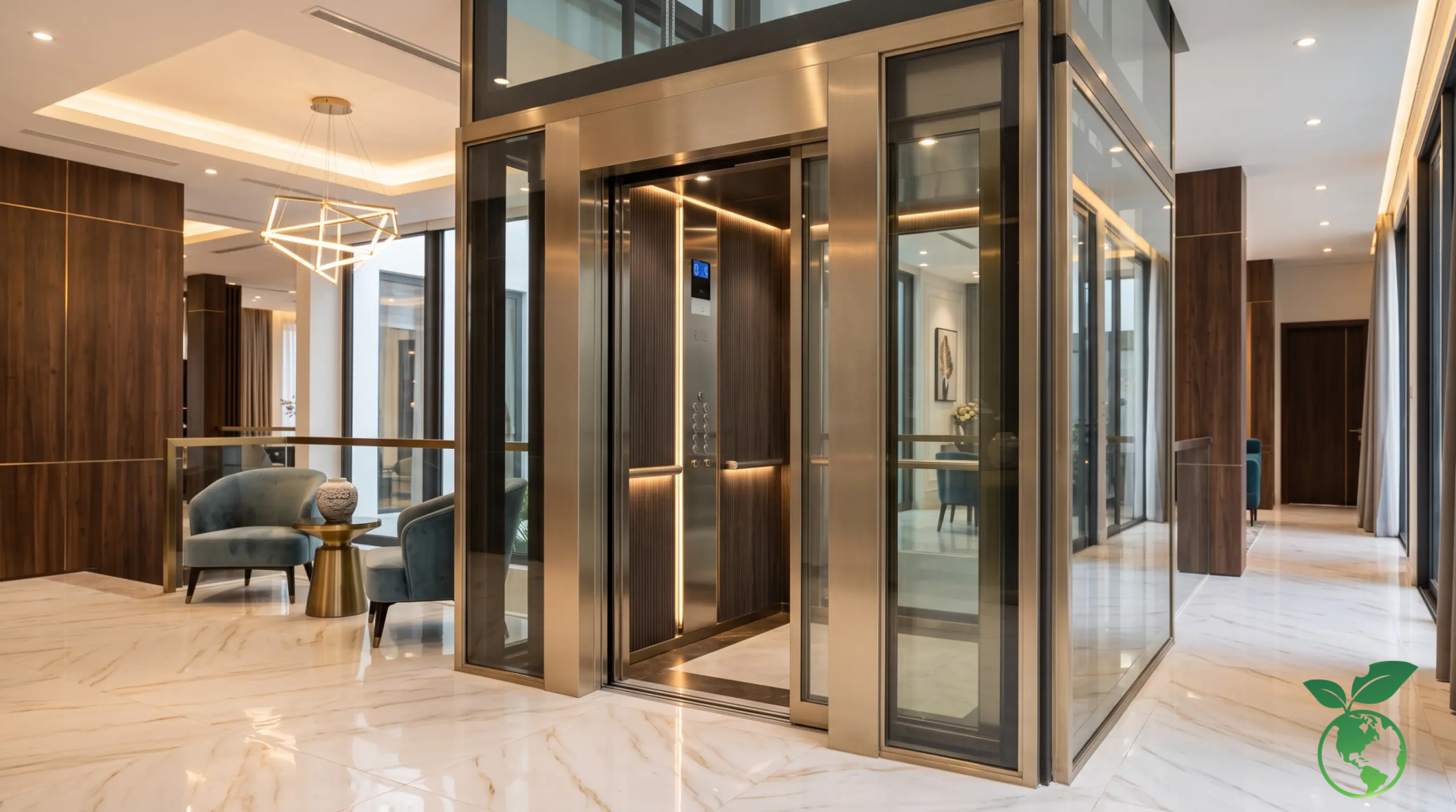
Urgency level and time of calling for off-hours elevator repair
Elevator repair after-hours usually needs to coordinate on-duty personnel, move urgently, and prepare equipment immediately. However, the fee must be transparent before performing non-urgent repair parts. Saving people is always prioritized, while replacing components can be done after reaching an agreement.
Type of components needing repair, replacement, or calibration
Costs depend on whether it only needs cleaning, calibration, or replacing door locks, sensors, circuit boards, inverters, or ARD batteries. Genuine components usually have higher costs but compatibility, origin, and warranty conditions need to be considered instead of just choosing the low price.
Complexity of the elevator system by brand and load
A 450 kg elevator at a townhouse usually has a different configuration than a 1,000 kg elevator at a hotel. Control cabinets, doors, traction machines, and machine room space are also different. Imported elevator systems may need time to order parts. This is a factor that needs to be clearly explained in the quote.
Risk of incurred costs when delaying minor fault processing
A minor door fault allowed to persist can wear out rollers, overload door motors, and increase the number of elevator stops. Ignored ARD battery faults can turn a regular power outage into an entrapment incident. Preventive costs are usually lower than emergency costs and downtime.
- Request a quote that separates rescue labor and repair labor after rescue.
- Compare calibration solutions with component replacement based on remaining lifespan.
- Check the origin of components and warranty conditions before confirming.
- Assess the impact of elevator downtime on hotels or busy buildings.
- Do not delay door faults, ARD batteries, or repeated power warnings.
| Factor | Cost impact | Questions to ask |
|---|---|---|
| Off-hours rescue | Increase on-duty staff | What does the response fee include? |
| Components | Difference by type | How long is the warranty? |
| Load capacity | Increase equipment scale | Are components available? |
| Delaying repairs | Increase related damage | What is the risk of the elevator stopping? |
Practical summary: should not approve a quote just because of a low price. A good quote must explain the cause of the fault, replacement options, expected time, and conditions for re-testing after repair.
How to choose a reliable elevator repair unit?
A elevator repair service that is reliable does not just arrive quickly. That unit must have a reception process, rescue capacity, technical records, and responsibility after handover. Investors need to check how they communicate when incidents occur, not just look at ads about response time.
Fast response capacity in elevator rescue situations
The unit needs a clear on-duty number, a reception process, and a technical team capable of safe handling. Ask about service areas, actual coordination time, and how remote support is provided. A response commitment without a specific process is often difficult to verify when an incident occurs.
Experience handling various civil and commercial elevator lines
Townhouses, villas, and hotels have different loads, usage frequencies, and configurations. Technicians need to understand door systems, traction machines, control cabinets, and safety standards suitable for each line. Multi-system experience helps them diagnose faster without replacing components based on emotion.
Transparent fault reporting, quoting, and acceptance process
A good unit will provide a description of the fault, photos if necessary, processing plan, costs, and operation recommendations. After repair, customers need to receive a report with the items intervened upon. This is the basis for monitoring recurring faults and determining warranty responsibility.
Commitment to warranty after repair and recommendations to prevent fault recurrence
Bảo hành chỉ có ý nghĩa khi phạm vi rõ ràng. Hỏi cụ thể linh kiện nào được bảo hành, thời hạn bao lâu và điều kiện loại trừ. Thang Máy Việt Ý khuyến nghị chủ đầu tư ưu tiên đơn vị có thể đề xuất lịch bảo trì, kiểm tra ARD và theo dõi lỗi sau bàn giao.
- Check the rescue on-duty number and the unit's off-hours response process.
- Require technicians to explain the cause before proposing replacement.
- Request a quote that separates materials, labor, and expected incurred items.
- Receive an acceptance report that clearly records faults, components, and test results.
- Prioritize units with clear maintenance schedules and post-repair support.
| Criteria | Reliable unit | Signs to be cautious |
|---|---|---|
| Reception | Ask for enough safety information | Only ask for address |
| Diagnosis | Have error code and check | Conclude immediately remotely |
| Quote | Separate items clearly | Group prices vaguely |
| Handover | Have test run, report | Have no records |
For example, at a hotel in Da Nang, the investor requested a quote before replacing an inverter. The technical unit checked the power, detected a loose signal cable, and only needed to process the connector. The transparent process avoided unnecessary replacement costs and reduced elevator downtime.
How to manage operational risks after elevator repair?
Repairing does not mean the risk has disappeared. The period of 24 to 72 hours after handover is very important because faults can recur depending on load, temperature, power, or usage frequency. Homeowners need to shift from incident reaction to record management and planned maintenance.
Keep records of faults and components intervened upon after each repair
Records should include date and time, error codes, manifestations, parts processed, replaced components, and the person who performed it. For buildings with many managers, this is data that helps avoid calling the wrong unit or replacing the same component repeatedly. Records also support future upgrade decisions.
Monitor the elevator again for 24 to 72 hours after handover
In the first three days, monitor smoothness when stopping at floors, door opening/closing cycles, power warnings, and the ability to call the elevator. If there are strange sounds or repeated faults, report immediately to the repair unit. Do not adjust it yourself because it may affect warranty conditions.
Set up a maintenance schedule to prevent fault recurrence
Maintenance schedules need to be based on usage frequency, dust environment, humidity, and equipment age. Townhouses may differ from continuously operating hotels. Maintenance content should include doors, guide rails, control cabinets, automatic rescue devices, load cables, and safety devices according to suitable processes.
When should you upgrade instead of continuing with piecemeal repairs?
Upgrade should be evaluated when the same fault repeats, components are hard to find, repair costs increase, or the elevator does not meet current needs. For renovated houses, pitless elevator solutions may be suitable when deep digging needs to be limited. However, every plan must be evaluated for structure and actual space.
- Save repair reports along with photos of components and error codes each time.
- Monitor operation carefully for 24 to 72 hours after handover.
- Set a maintenance schedule based on usage frequency instead of waiting for faults to happen.
- Check the automatic rescue device before the rainy season and periods of weak power.
- Evaluate upgrades when old faults repeat or components become increasingly difficult to find.
| Timing | Things to do | Goal |
|---|---|---|
| Immediately after handover | Receive report and error codes | Transparent processing |
| 24 hours | Check door and floor stops | Detect fault recurrence |
| 72 hours | Evaluate usage log | Confirm stability |
| Periodically | System maintenance | Reduce elevator stops |
For example, a resort villa in Da Nang had a limited hoistway and continuously encountered power faults after periods of little use. The investor set up records, replaced ARD batteries according to standards, and added an inspection schedule before each peak season. The building significantly reduced the risk of cabin entrapment during power outages.
Elevator repair efficiency does not start when the technician arrives. It starts by correctly identifying the level of danger, keeping the scene safe, and providing structured information.
- Stop the elevator immediately when doors are abnormal, shaking strongly, there is a burning smell, or water enters.
- Prioritize communication and saving people, do not pry the door or reset the control cabinet repeatedly.
- Request separate rescue, diagnosis, and handover processes, with clear reports.
- Monitor the elevator for at least 24 to 72 hours after repair.
- Keep fault records to detect damage trends and make upgrade decisions at the right time.
- Invest in periodic maintenance to reduce emergency costs and downtime.
In the context of townhouses, villas, and hotels increasingly prioritizing safe operational experiences, maintenance processes are part of the building's value. Standards EN 81-20 and EN 81-50 place the focus on safety in the design, installation, and testing of elevator components.
Thang Máy Việt Ý là đối tác cung cấp, lắp đặt và bảo trì thang máy cao cấp cho các công trình Việt Nam. Chủ đầu tư nên chủ động xây dựng phương án phản hồi sự cố, hồ sơ vận hành và kế hoạch bảo trì để bảo vệ người sử dụng, thẩm mỹ không gian và hiệu quả đầu tư dài hạn.